
No products in the cart.
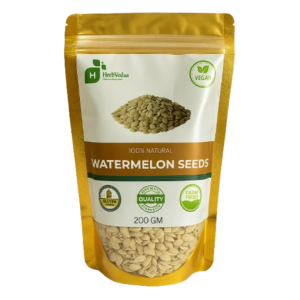
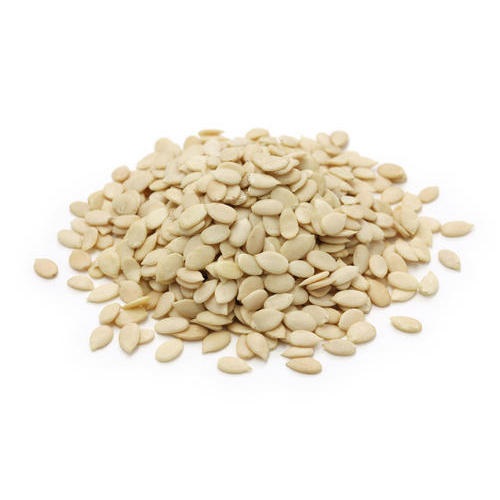
Watermelon Seeds 200 gm
Original price was: ₹229.00.₹193.00Current price is: ₹193.00.
Watermelon seeds contains magnesium, zinc and iron.
In stock
Description
Watermelon seeds can provide beneficial nutrients, including magnesium and iron, and eating them roasted can be a healthful snack.
Watermelon seeds are low in calories and are nutrient dense. When roasted, they’re crispy and can easily take the place of other unhealthy snack options.
One of several minerals found in watermelon seeds is magnesium. In a 4-gram serving, you’ll get 21 mg of magnesium, which is 5 percent of the daily value.
The National Institutes of Health (NIH) recommends adults get 420 mg of this mineral daily. Magnesium is essential for many of the body’s metabolic functions. It’s also required to maintain nerve and muscle function, as well as immune, heart, and bone health.
A handful of watermelon seeds contains about 0.29 mg of iron, or about 1.6 percent of the daily value. It might not seem like much, but the NIH only recommends adults get 18 mg in their day.
Iron is an important component of hemoglobin — carrying oxygen through the body. It also helps your body convert calories into energy.
However, watermelon seeds contain phytate, which decreases the absorption of iron and reduces their nutritional value.
Watermelon seeds are also good source of zinc. They provide about 26 percent of the daily value in one ounce, or 4 percent DV in one large handful (4 grams).
Zinc is an important nutrient, essential to the immune system. It’s also necessary for:
- the body’s digestive and nervous systems
- cell regrowth and division
- your senses of taste and smell
However, just like with iron, phytates reduce the absorption of zinc.
Additional information
| Weight | 0.2 kg |
|---|---|
| Weight | 200 gram |
| Tags | free delivery, non-returnable |
| Brand | herb_vedaa |
Related products
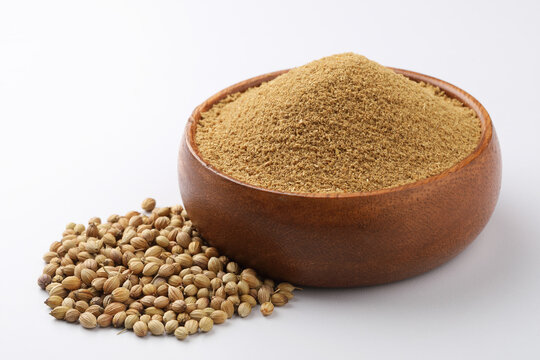
Dhania Powder 200 gm
Original price was: ₹99.00.₹68.00Current price is: ₹68.00.Ginger Powder 200 gm
Original price was: ₹199.00.₹142.00Current price is: ₹142.00.White Til(sesame seeds) 200 gm
Original price was: ₹209.00.₹119.00Current price is: ₹119.00.Haldi Powder 200 gm
Original price was: ₹99.00.₹78.00Current price is: ₹78.00.
Reviews
There are no reviews yet.